

Blog > Is Winter a Good Time to Install Floors?
Is Winter a Good Time to Install Floors?
Monday, January 12, 2026
If you’re planning new floors, you may be wondering: Is winter a good time to install floors?
While winter isn’t always the first season homeowners consider, it can actually be an excellent time for flooring installation when done correctly. From stable indoor conditions to easier scheduling, winter offers several advantages — along with a few seasonal care considerations that help your floors perform beautifully year-round.
Here’s what homeowners should know.
Why Winter Can Be a Smart Time to Install Flooring

1. More Stable Indoor Conditions Than You Might Expect
During winter, most homes maintain consistent indoor heating. Once your space is properly conditioned, temperature and humidity levels are often more predictable than in spring or fall, when outdoor swings can be dramatic.
For professional installers, this consistency allows flooring to be acclimated and installed with confidence.
2. Faster Scheduling and Shorter Timelines
Winter is typically a quieter season for renovations, which can mean:
- Shorter lead times
- Greater scheduling flexibility
- Faster project completion
That makes winter an ideal time to tackle flooring projects before spring and summer schedules fill up.
3. Your Floors Are Ready for the Year Ahead
Laying floors in winter means they’re finished before:
- Spring entertaining
- Summer renovations
- Busy home improvement seasons
You get to enjoy your new floors without interruptions later in the year.
How Different Flooring Types Perform in Winter
Hardwood Flooring
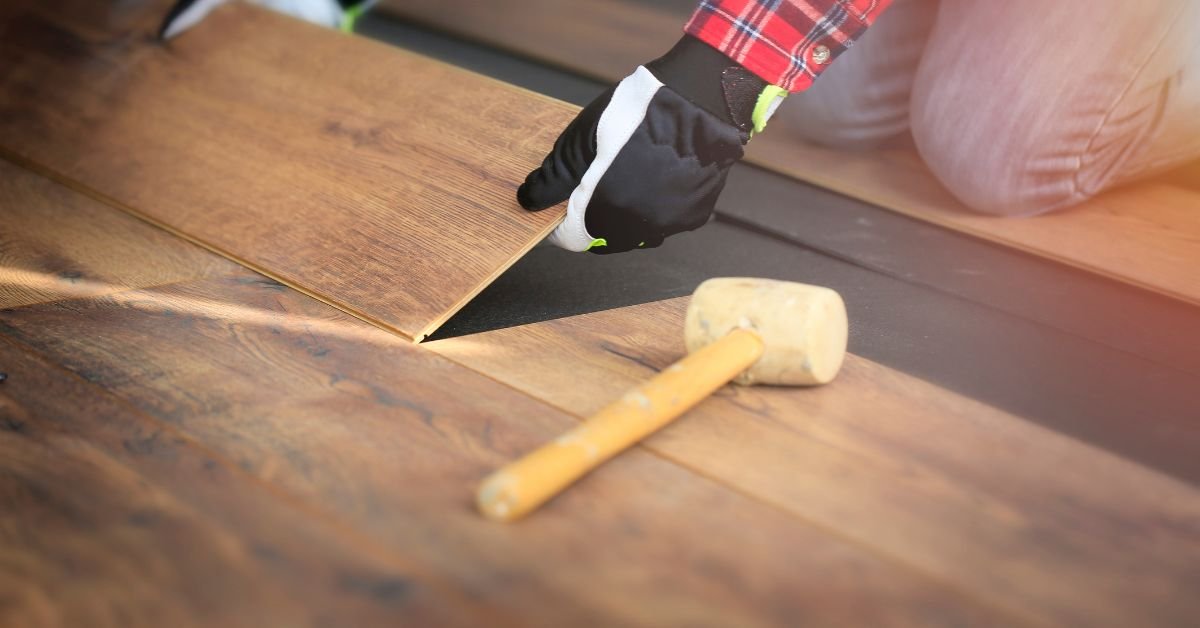
Winter installation works very well when proper acclimation is followed.
- Engineered hardwood is especially stable through seasonal changes
- Solid hardwood performs beautifully with proper humidity control
- Professional installation accounts for natural expansion and contraction
Luxury Vinyl (LVP/LVT)
Luxury vinyl is one of the best flooring options for winter installation:
- Highly temperature-stable
- Waterproof
- Minimal seasonal movement
- Ideal for busy households and pets
Tile and Stone
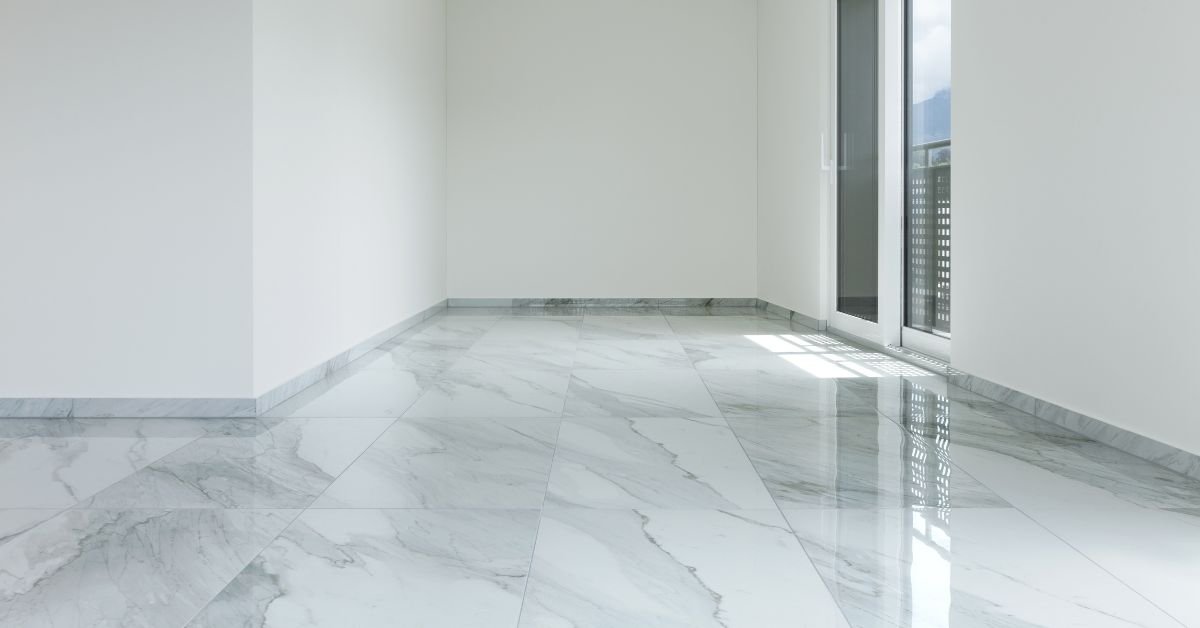
Tile and stone are largely unaffected by seasonal humidity changes and install well year-round, including winter.
Carpet
Carpet installation is well-suited to winter and provides immediate warmth and comfort during colder months.
Winter vs Summer Floor Care: What Changes With the Seasons?
Seasonal changes affect floors differently. Understanding how winter and summer conditions impact your floors helps extend their lifespan and appearance.
How to Care for Your Floors in Winter

Dry indoor air is the biggest factor in winter.
- Best to maintain indoor humidity between 35–50%
- Use humidifiers as needed to prevent long-term cracking
- Expect slight gaps in shrinking hardwood — this is normal and seasonal. Resist the temptation to fill the separating space when the wood contracts.
- Clean regularly to remove salt, grit, and moisture tracked indoors
- Use mats at entryways to protect floors from snow and ice residue
- Refinishing floors in the winter can also be OK, provided that much more attention is paid to temperature and humidity. No blasts of hot or cold, and no opening the windows.
How to Care for Your Floors in Summer
Humidity becomes the main concern in warmer months.
- Use air conditioning or dehumidifiers to control moisture
- Avoid wet mopping hardwood floors
- Clean spills promptly
- Watch for expansion — professional installation allows for this
- Use blinds or window coverings to reduce prolonged sun exposure
The Importance of Proper Acclimation and Installation
Seasonal changes aren’t a problem when floors are:
- Acclimated correctly
- Installed by experienced professionals
- Matched to your home’s environment and lifestyle
Proper planning ensures floors perform well through every season.
The Bottom Line
Winter isn’t a compromise — it’s an opportunity.
With professional installation and proper seasonal care:
- Floors install smoothly in winter
- Scheduling is often easier
- Your home is ready for the year ahead
- Floors perform better long-term through seasonal changes
If you’re considering new floors, winter can be a smart time to plan — and an even better time to install.